loader image

Food waste and its impacts

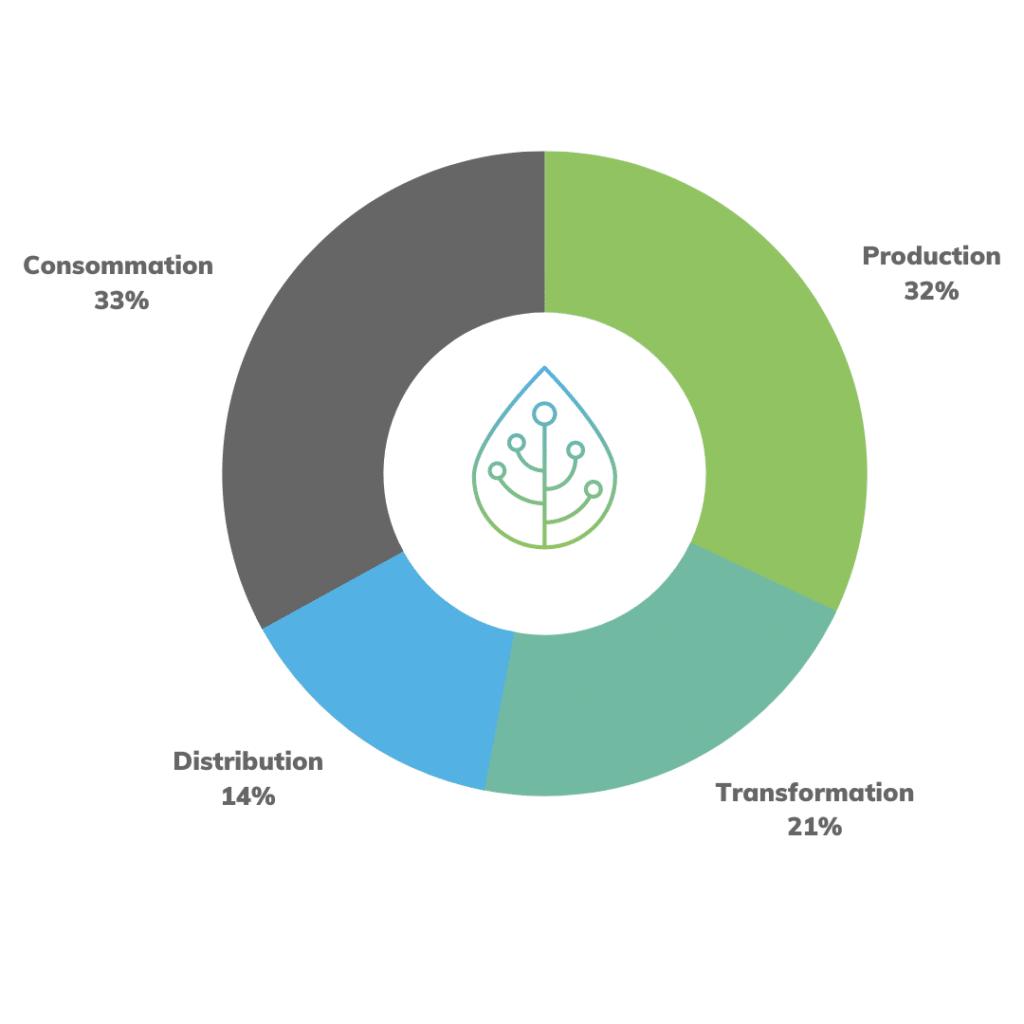
In households or in restaurants, the consumption stage still represents the largest proportion of food losses since this stage represents 33% of total waste in the chain. As you know, at Kikleo our mission is to reduce food waste in collective catering. But why is food waste an emergency today, and what are its impacts? 

Food waste in brief

Food waste refers to food that is lost or thrown away at all stages of the food chain, from production to consumption. This may include food that is thrown out because it does not meet quality or presentation standards, excess food prepared in restaurants or at home, or food that has expired or been improperly stored.

We define three scales of food waste which affects each of the actors in the chain:

  • Primary waste, which corresponds to losses related to agricultural production, processing and transport of food;
  • Secondary waste, which corresponds to losses related to distribution, sales and catering;
  • Tertiary waste, which corresponds to losses related to household consumption.

But be careful, some food waste is sometimes considered food waste. This waste is actually considered unavoidable (peelings, bones or shells for example).

In France, according to ADEME, 30kg per year per personin households

Most wasted food products in the world:

What impacts for the environment?

Wasted water, agricultural land, emissions (waste production, transport)

It's often said that if food waste were a country, it would be the third largest emitter of greenhouse gases after the United States and China. According to the FAO, food waste generates approximately 8% of global greenhouse gas emissions.

First, at the production level, wasted food requires unnecessary resource use. Land, water, and energy are used to produce, transport, and store food that will not be consumed. According to a WWF report, 40% of the food produced is not eaten. Every time food is thrown away, it represents CO2 emitted needlessly into the atmosphere. 

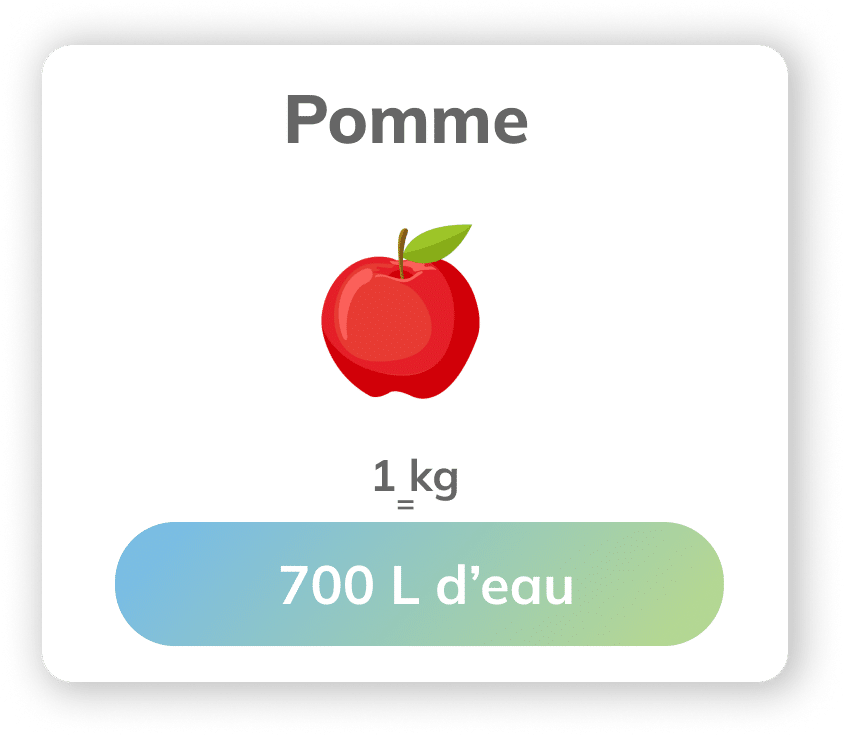
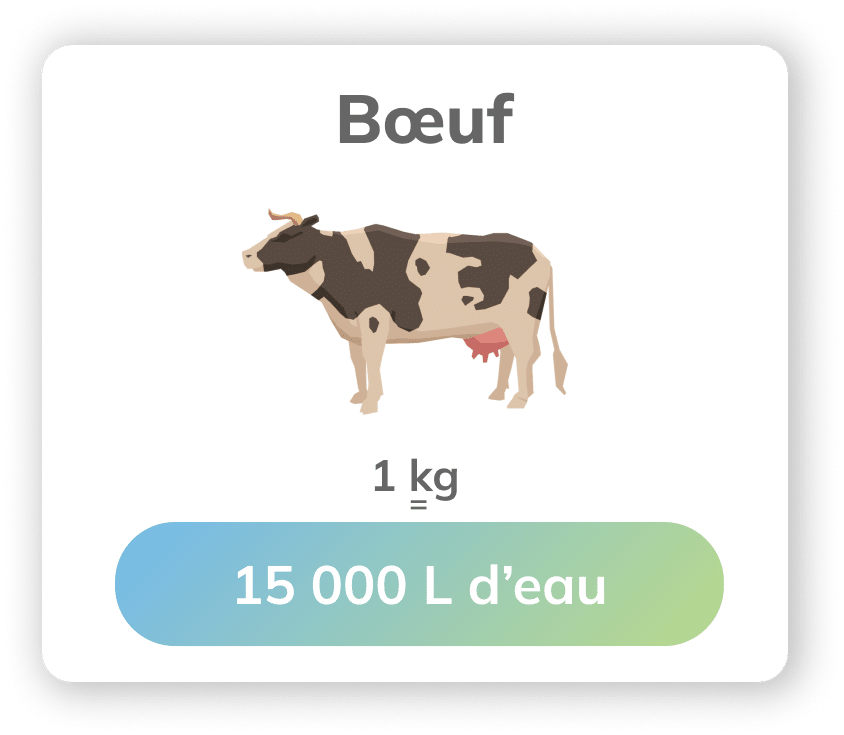
For a more precise idea of ​​the water resources used to produce our food:

→ Producing cereals for 1kg of apples requires 700 litres of water

→ Producing 1kg of beef requires 15,415 litres of water

What ethical impacts?

Food waste also has a significant ethical impact. While nearly 828 million people around the world suffer from malnutrition, food waste appears to be a blatant injustice. Food waste indirectly contributes to world hunger, inequality and overconsumption. It is also a question of responsibility and respect for the resources we have.

According to the FAO, we could feed all people suffering from malnutrition with only half of the food thrown away in industrialized countries. If the redistribution of these resources seems difficult to envisage, waste still remains a problem in terms of ethics.

Read our article " Malnutrition: 'Zero Hunger' objective by 2030?

What economic impacts?

Food waste also represents numerous economic losses for the entire chain. It causes considerable financial losses for households, businesses and governments. ADEME estimates the cost of food waste at 16 billion euros per year.

  • On an individual level, food waste would cost between 100 and 160 euros per year.
  • For institutional catering, for example, the purchase of resources ultimately not consumed by diners is estimated at 68 cents per diner per meal, or €17,000 per year for a canteen of 500 diners.

Throwing away food sometimes seems like a small gesture, but its consequences are serious for everyone involved in the chain. It therefore appears imperative to take measures to reduce it as much as possible.

At Kikleo, we offer innovative solutions for collective catering to reduce food waste in the dining room and in the kitchen.

Sources: WWF, FAO, ADEME, Alimenterre.org, youmatter.org

FOR A BETTER FUTURE

Would you like to take action against food waste

Kikleo helps you reduce food waste and increase performance your restaurant by offering a analysis of your losses using innovative technological tools.


Easily reduce food waste in your restaurant and increase your performance.

Copyright: © 2026 Kikleo. All Rights Reserved.