The European Frugal project

In 2022, the European Commission launched an ambitious call for projects aimed at better measuring food waste in order to reduce it more effectively. Among the winners, Kikleo was selected for its innovative approach and strong potential for impact.
Thanks to the support of the European program, FRUGAL for "Fully Autonomous Recognition system Using AI to Gather
Food Waste measurement And reduce Losses" was born and Kikleo took a decisive step in the development of its solutions.
This grant has notably enabled:
-
- To improve our artificial intelligence technology, by optimizing the speed and accuracy of automatic food recognition;
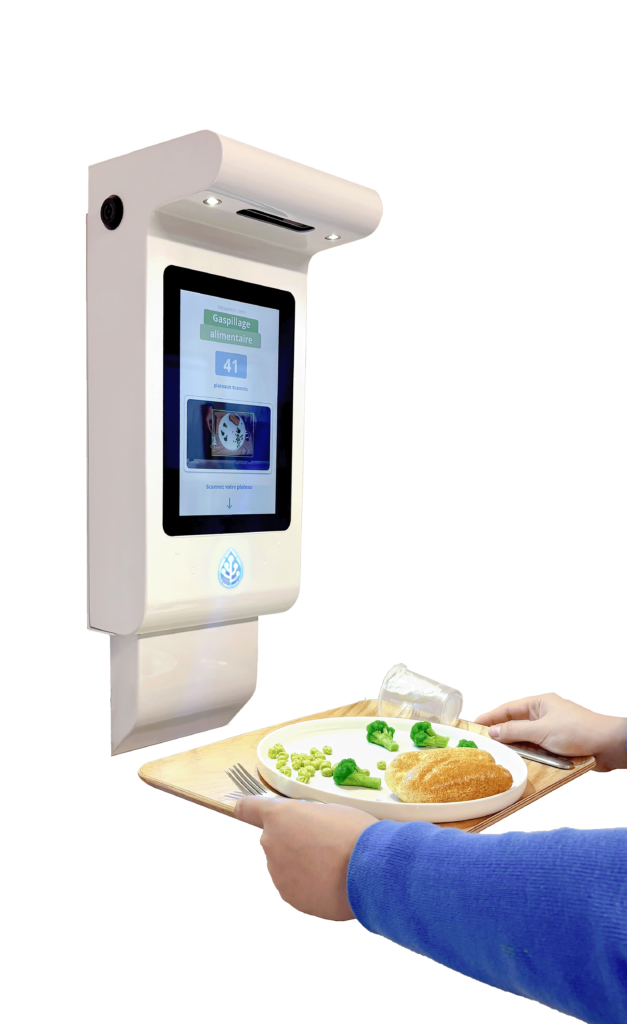
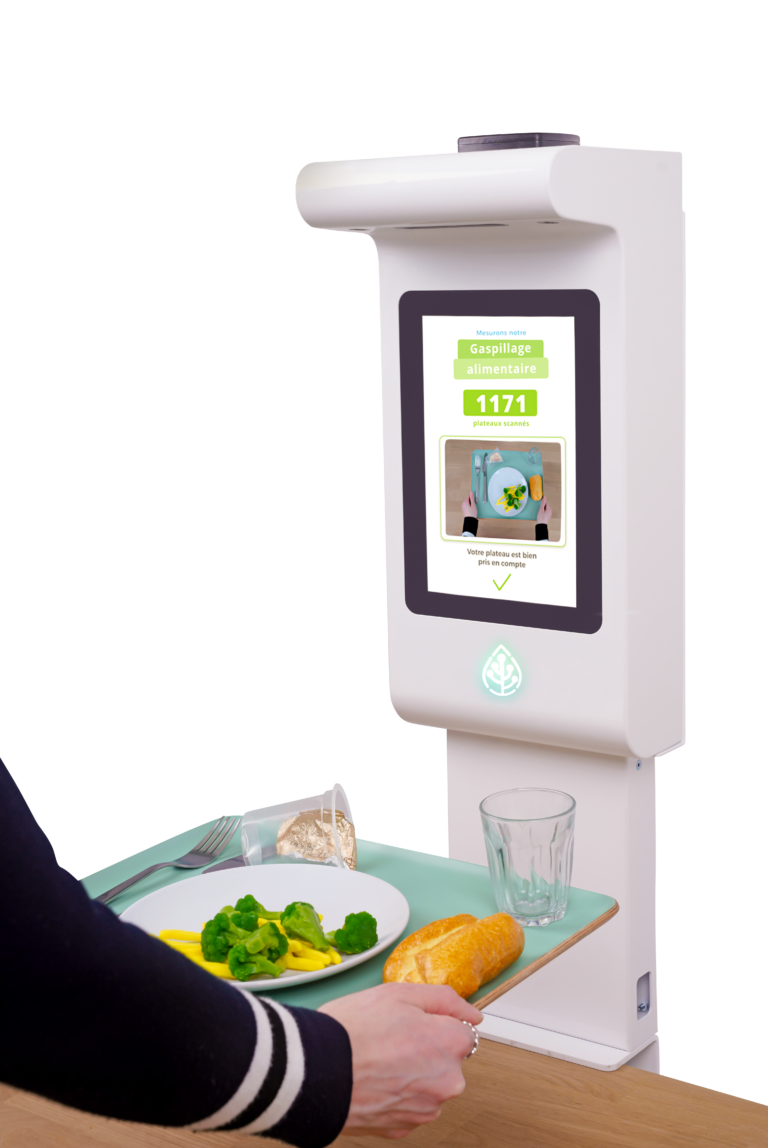
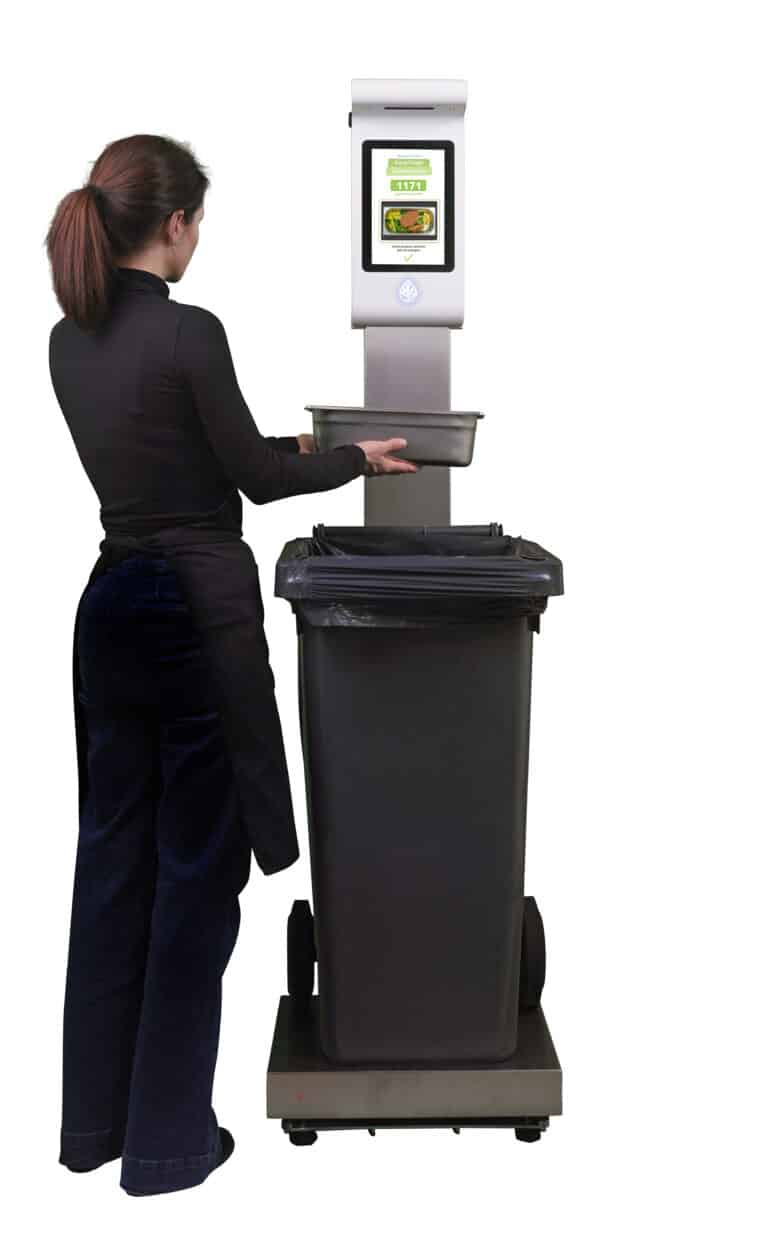
- To design and produce two new devices: the Guest Terminal , dedicated to the analysis of leftovers in the dining room and the Kitchen Terminal , focused on monitoring production waste;
- To deploy a comprehensive solution, both educational and participatory, combining measurement, awareness-raising and team involvement.
This European support has therefore played a structuring role in accelerating our mission: to give professionals and diners the means to take concrete action to reduce food waste, in particular through our two new tools, the Guest Terminal and the Kitchen Terminal.
Two complementary tools for a comprehensive view
Food waste in the restaurant industry occurs on two levels: in the dining area , where diners sometimes leave leftovers, and in the kitchen , where losses can result from food preparation or inventory management. That's why we developed two complementary collection points.
The Guest Terminal
- Analyze the food leftovers on the plates
- Raise awareness among diners, in an educational and interactive way, about the impact of food waste
The Kitchen Terminal
- Measures losses in the kitchen (preparation, surplus, unsold items)
- Promotes the daily involvement of professionals
A complete range for more sustainable restoration
These two terminals complement our existing offering and now allow establishments to rely on three complementary tools:
- The Conveyor Scan analyzes food waste in the dining room
- La Borne Convive analyzes food waste in the dining room
- The Kitchen Terminal analyzes food waste in the kitchen
Foch Hospital testifies: the concrete benefits of Kikleo on the ground
Among the pilot institutions involved in this project, Foch Hospital has integrated the Kikleo solution into its daily operations.
In this video, Anne Lindemann , Hospitality Manager at Foch Hospital, shares her experience and the benefits observed on the ground:
“ Kikleo shows us what we know but can’t quantify, and it really has a huge impact for us. Our guests have noticed that we eat better, that it’s tastier, and that it’s still the same price!” Her testimonial perfectly reflects what we want to bring to our clients: clarity, impact, and concrete results.
Since the implementation of the Kikleo solution at Foch Hospital in 2024, the staff restaurant has managed to reduce food waste by 40%. This significant improvement results from three key actions identified through the analysis of data collected on site:
- Limiting restocking at the salad bar and desserts,
- Improving the quality of certain recipes, such as mixed vegetables and fruit in syrup,
- Adjusting the portion sizes served.
A concrete contribution to European objectives
This project is part of the momentum of Sustainable Development Goal 12.3 , supported by the European Commission, which aims to reduce food waste by 50% by 2030.
Thanks to this European grant, our tools are now deployed in the field in more than 200 restaurants, with measurable results and a concrete impact for both the establishments and the environment.
Since the Kikleo solution was launched in 2022, the results obtained have been significant:
-
- 240 tonnes of food were saved from the bin, the equivalent of 400,000 meals
- 2 million euros saved by the restaurants we support
- 1000 tonnes of CO2 not emitted due to food waste
- and 800 million liters of water not wasted
To learn more
To learn more about the project: SMP-FOOD-2022-F2F-FWStakeholders
We would like to express our sincere gratitude to the European Commission for its invaluable support through the grant we received. This opportunity has enabled us to develop new tools, refine our methods, and deepen our expertise.
We have compiled all the lessons learned from this experience into a white paper, which outlines our journey, our progress, and the best practices identified. This document is now available for download via the following link:
Download our white paper
This European support has therefore played a structuring role in accelerating our mission: to give professionals and diners the means to take concrete action to reduce food waste, in particular through our two new tools, the Guest Terminal and the Kitchen Terminal.
Two complementary tools for a comprehensive view
Food waste in the restaurant industry occurs on two levels: in the dining area , where diners sometimes leave leftovers, and in the kitchen , where losses can result from food preparation or inventory management. That's why we developed two complementary collection points.
The Guest Terminal
- Analyze the food leftovers on the plates
- Raise awareness among diners, in an educational and interactive way, about the impact of food waste
The Kitchen Terminal
- Measures losses in the kitchen (preparation, surplus, unsold items)
- Promotes the daily involvement of professionals
A complete range for more sustainable restoration
These two terminals complement our existing offering and now allow establishments to rely on three complementary tools:
- The Conveyor Scan analyzes food waste in the dining room
- La Borne Convive analyzes food waste in the dining room
- The Kitchen Terminal analyzes food waste in the kitchen
Foch Hospital testifies: the concrete benefits of Kikleo on the ground
Among the pilot institutions involved in this project, Foch Hospital has integrated the Kikleo solution into its daily operations.
In this video, Anne Lindemann , Hospitality Manager at Foch Hospital, shares her experience and the benefits observed on the ground:
“ Kikleo shows us what we know but can’t quantify, and it really has a huge impact for us. Our guests have noticed that we eat better, that it’s tastier, and that it’s still the same price!” Her testimonial perfectly reflects what we want to bring to our clients: clarity, impact, and concrete results.
Since the implementation of the Kikleo solution at Foch Hospital in 2024, the staff restaurant has managed to reduce food waste by 40%. This significant improvement results from three key actions identified through the analysis of data collected on site:
- Limiting restocking at the salad bar and desserts,
- Improving the quality of certain recipes, such as mixed vegetables and fruit in syrup,
- Adjusting the portion sizes served.
A concrete contribution to European objectives
This project is part of the momentum of Sustainable Development Goal 12.3 , supported by the European Commission, which aims to reduce food waste by 50% by 2030.
Thanks to this European grant, our tools are now deployed in the field in more than 200 restaurants, with measurable results and a concrete impact for both the establishments and the environment.
Since the Kikleo solution was launched in 2022, the results obtained have been significant:
-
- 240 tonnes of food were saved from the bin, the equivalent of 400,000 meals
- 2 million euros saved by the restaurants we support
- 1000 tonnes of CO2 not emitted due to food waste
- and 800 million liters of water not wasted
To learn more
To learn more about the project: SMP-FOOD-2022-F2F-FWStakeholders
We would like to express our sincere gratitude to the European Commission for its invaluable support through the grant we received. This opportunity has enabled us to develop new tools, refine our methods, and deepen our expertise.
We have compiled all the lessons learned from this experience into a white paper, which outlines our journey, our progress, and the best practices identified. This document is now available for download via the following link:
Download our white paper